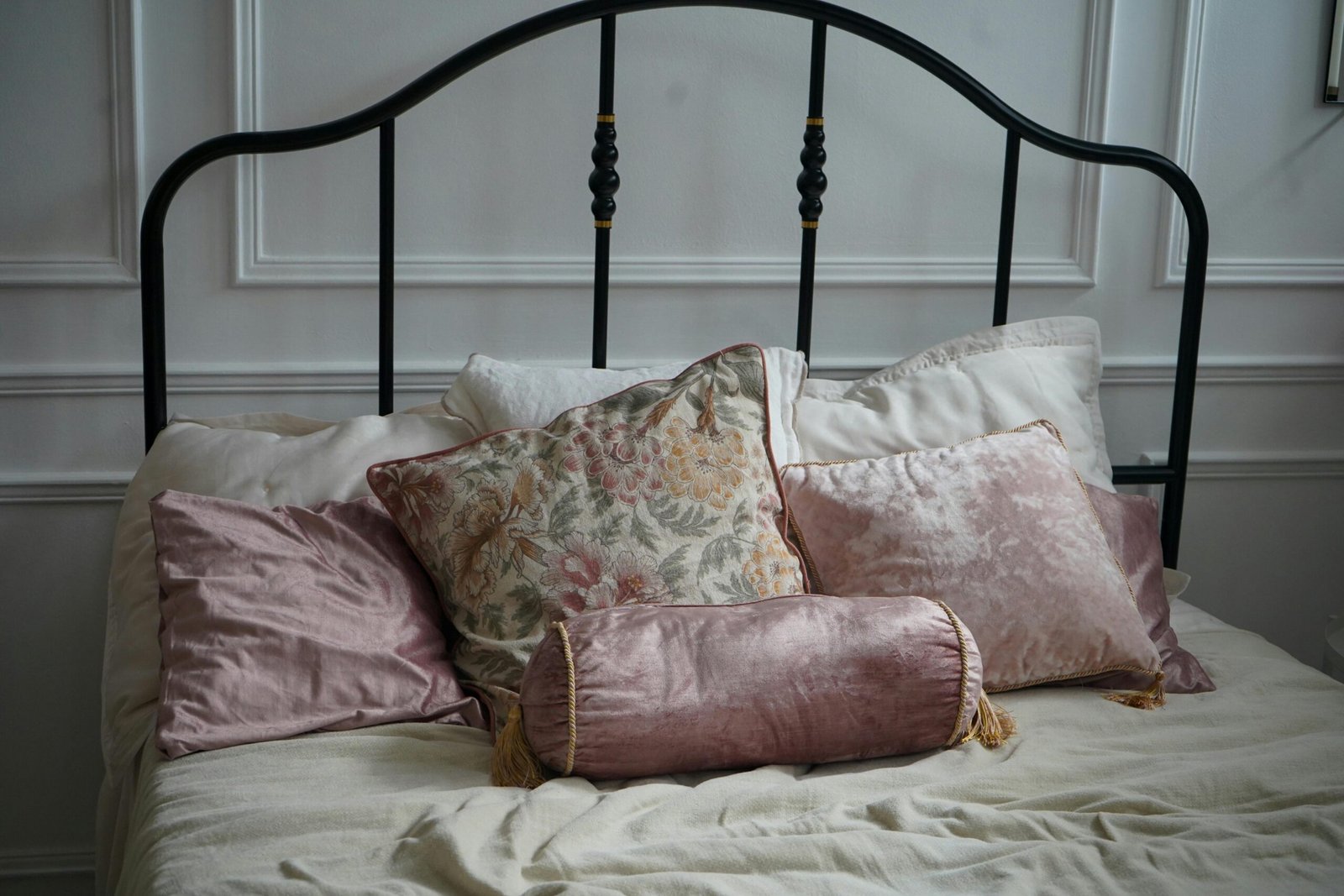
Across cultures, everyday objects often carry deeper significance than their immediate function. A humble household item can embody centuries of tradition, craftsmanship, and practical wisdom. Such is the case with banggiadag, a term that has been gaining attention in lifestyle, wellness, and cultural discussions. While relatively new to the global lexicon, the idea it represents is rooted in long-standing practices of design, comfort, and natural living.
As the world shifts toward sustainable choices and renewed interest in cultural heritage, banggiadag has emerged as both a practical accessory and a symbol of mindful living. More than just an object for rest, it reflects evolving consumer preferences in ergonomics, wellness, and home aesthetics. This article provides a comprehensive exploration of banggiadag, examining its origins, materials, uses, cultural symbolism, and contemporary relevance in a rapidly modernizing society.
The Concept and Origins
Historical Context
The item known today as banggiadag has long been associated with traditional Asian households, particularly within Korean culture, where natural materials were often prioritized for daily use. In environments where floor living was common, cylindrical or buckwheat-filled cushions played a vital role in supporting the body during rest or conversation. Although the term itself may not have appeared in ancient dictionaries, the object it refers to reflects these longstanding practices.
The cultural context highlights both practicality and symbolism. The use of natural husks, breathable fabrics, and sustainable designs reveals a philosophy of harmony with nature. Its continued presence illustrates how communities preserve comfort solutions while adapting them to modern lifestyles.
Evolution of Design
Early versions were simplistic in form, designed primarily for utility. Over time, however, artisans introduced decorative embroidery, traditional patterns, and symbolic motifs. These additions reflected status, artistic taste, and cultural identity. Today, contemporary iterations often merge traditional techniques with minimalist aesthetics, making banggiadag suitable for both modern apartments and traditional-style homes.
Material Composition and Craftsmanship
Natural Fillings
One defining aspect of this item is its filling. Traditionally, buckwheat hulls were the preferred choice. These lightweight yet firm husks allow for natural air circulation, keeping the pillow cool even in warmer climates. Additionally, the filling can be adjusted by adding or removing hulls, giving users control over firmness and height.
Other natural fillings such as rice husks or barley shells have also been used, depending on regional availability. Modern manufacturers sometimes experiment with eco-friendly synthetic options, although many users still value the authentic qualities of natural materials.
Fabrics and Outer Design
The outer layer has always been significant for both comfort and aesthetics. Cotton and linen remain the most popular fabrics, offering softness and breathability. Decorative fabrics with hand-stitched embroidery or traditional motifs elevate the design, transforming a practical object into a cultural artifact.
Today’s market also introduces washable covers, hypoallergenic fabrics, and stain-resistant coatings, ensuring that banggiadag fits seamlessly into modern households while retaining its timeless essence.
Practical Benefits and Everyday Uses
Ergonomic Support
One of the strongest appeals lies in its ergonomic qualities. Its cylindrical form supports proper spinal alignment, reducing pressure on the neck and shoulders during rest. Many wellness practitioners recommend its use for individuals struggling with posture-related discomfort, particularly in societies where long hours of desk work are common.
Versatility in Use
- Sleeping Aid: The firm yet adjustable structure makes it suitable for side sleepers who need added support between the knees or along the arms.
- Seating Support: In traditional floor-seating households, it functions as both back and arm support.
- Relaxation Tool: Its shape and firmness make it ideal for restorative yoga, meditation, or simple relaxation sessions.
Health and Wellness Benefits
Beyond physical support, the object contributes to overall well-being. The breathable fillings maintain airflow, reducing overheating during sleep. The natural husks also resist dust accumulation, making them preferable for individuals with sensitivities. Many users describe improved rest quality, fewer neck strains, and enhanced relaxation after regular use.
Symbolism and Cultural Meaning
Representation of Simplicity
Banggiadag embodies the philosophy of simplicity and balance. Rooted in traditional Korean values of minimalism, it symbolizes living in harmony with one’s environment. Its reliance on natural materials reflects an appreciation for resources that are renewable, biodegradable, and inherently sustainable.
Artistic Expression
In historic households, a carefully designed version could represent a family’s taste and artistry. Decorative patterns often carried symbolic meaning—such as prosperity, longevity, or harmony. Thus, while it functioned as a pillow, it also served as a canvas for cultural storytelling.
Social and Communal Roles
Floor-seating cultures often emphasize community and intimacy. Shared spaces where banggiadag was used became centers for conversation, meals, and bonding. Its presence in these environments highlights its role beyond comfort: it was an enabler of social connection.
Modern Interpretations and Global Appeal
Revival in Contemporary Design
With the global resurgence of interest in wellness, mindfulness, and sustainable living, this household accessory has entered the spotlight once again. Designers reinterpret traditional forms with modern materials, offering products that cater to both heritage enthusiasts and contemporary homeowners.
Adoption Beyond Korea
While originally tied to Korean traditions, banggiadag now appeals to international audiences. Minimalist design lovers appreciate its aesthetic simplicity, while wellness practitioners recognize its ergonomic potential. Online marketplaces increasingly feature variations marketed as lifestyle accessories, yoga props, or specialty pillows.
Consumer Trends
The demand for eco-friendly and natural products fuels renewed interest. Consumers prioritize:
- Sustainability: Products that reduce environmental impact.
- Health Benefits: Natural fillings that promote better sleep.
- Cultural Authenticity: Items that tell a story or connect to heritage.
Frequently Asked Questions
What makes banggiadag different from a regular pillow?
Unlike regular pillows, it often has a cylindrical form and is filled with natural husks. This design provides firmer support, enhanced breathability, and adaptability for multiple uses.
Can it help with neck pain?
Yes. Its firmness and ergonomic shape can relieve tension by supporting the natural curve of the spine. However, results vary depending on personal preferences and existing health conditions.
Is it suitable for modern beds?
Absolutely. While historically linked to floor-living cultures, modern adaptations of banggiadag fit easily onto beds, sofas, and yoga mats.
How should it be maintained?
Covers should be washed regularly, while fillings can be sun-dried to preserve freshness. Buckwheat hulls may need replacement every two to three years, depending on usage.
Is banggiadag only used in Korea?
No. While rooted in Korean tradition, the concept resonates globally. Many cultures utilize similar bolster-style pillows, though this form remains unique in its combination of natural materials and symbolic artistry.
The Future of Banggiadag in Global Lifestyles
Design Innovation
Manufacturers continue to experiment with eco-conscious innovations, such as organic fabrics, recycled fillings, and customizable features. This positions banggiadag as a forward-looking product that aligns with both wellness and sustainability markets.
Integration with Wellness Practices
As yoga, meditation, and holistic health gain prominence worldwide, banggiadag is increasingly integrated into these practices. Its role in aligning posture, aiding relaxation, and supporting mindful routines ensures its place in contemporary wellness trends.
Global Cultural Exchange
The story illustrates more than physical comfort—it demonstrates how cultural artifacts adapt, transform, and integrate into new contexts. Its journey from traditional Korean households to international markets reflects a broader trend of cultural exchange that enriches modern living.
Conclusion
The story of banggiadag highlights how simple objects can carry profound meaning across generations and cultures. From its origins in traditional Korean households to its contemporary reinvention in global wellness markets, banggiadag has maintained its relevance by adapting to evolving lifestyles.
Its value lies not only in ergonomic benefits but also in its symbolic representation of balance, sustainability, and mindful living. For those seeking both comfort and cultural authenticity, banggiadag offers a bridge between tradition and modernity.
As global consumers continue to prioritize natural materials, holistic wellness, and design simplicity, banggiadag is poised to remain a cherished accessory in households worldwide. Its enduring appeal demonstrates that cultural heritage, when reimagined thoughtfully, can transcend boundaries and enrich daily life for generations to come.